 Lock In
Lock In started with a failed exam
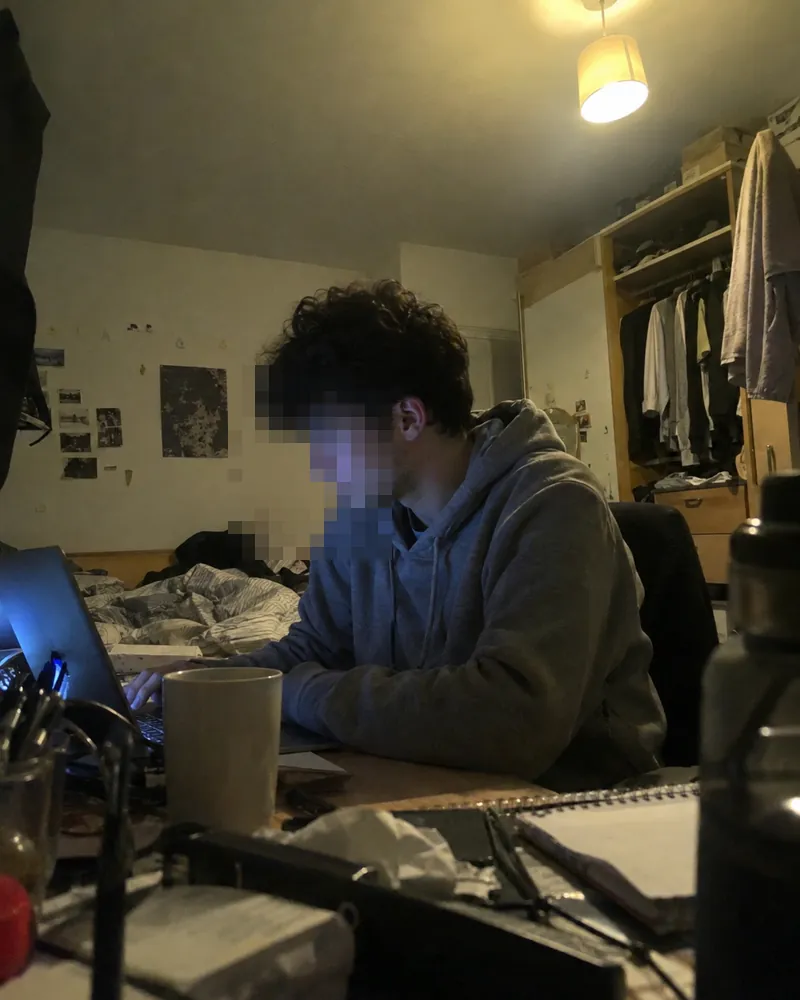
Who makes it
A student who was doing badly. Not a company, not a marketing team: one person who needed exactly this tool and couldn't find it anywhere.
Why it exists
Because a two-button stopwatch saved my grant, and then an entire degree. Lock In is what I wish I'd had back then.
01 The one who failed
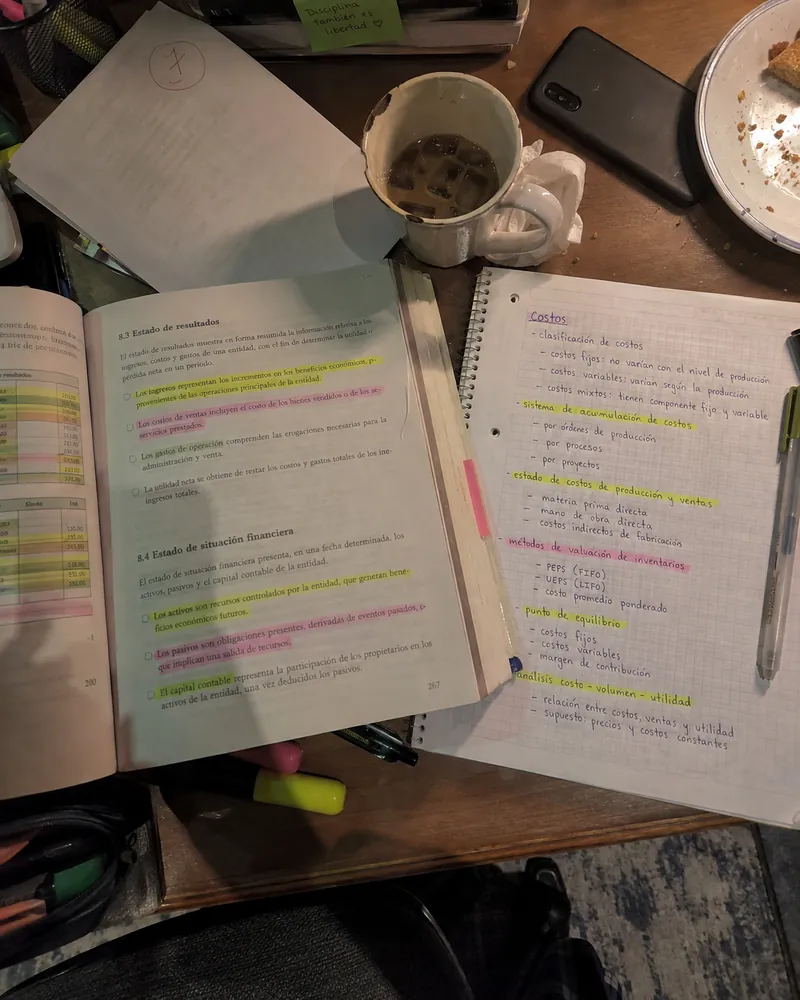
I started a business degree because you have to start something. At eighteen nobody knows anything, but everybody expects you to choose.
I went to class. I highlighted my notes in three colours. I sat in front of the book for as long as it took. And I failed anyway.
The worst part wasn't failing: it was not understanding why. I was studying — or so I thought — and still I had the feeling of rowing without moving an inch.
They noticed at home. My parents didn't shout: they did something worse, they asked. "How's statistics going?" And I had no answer, because I genuinely didn't know.
02 Numbers, out of nowhere
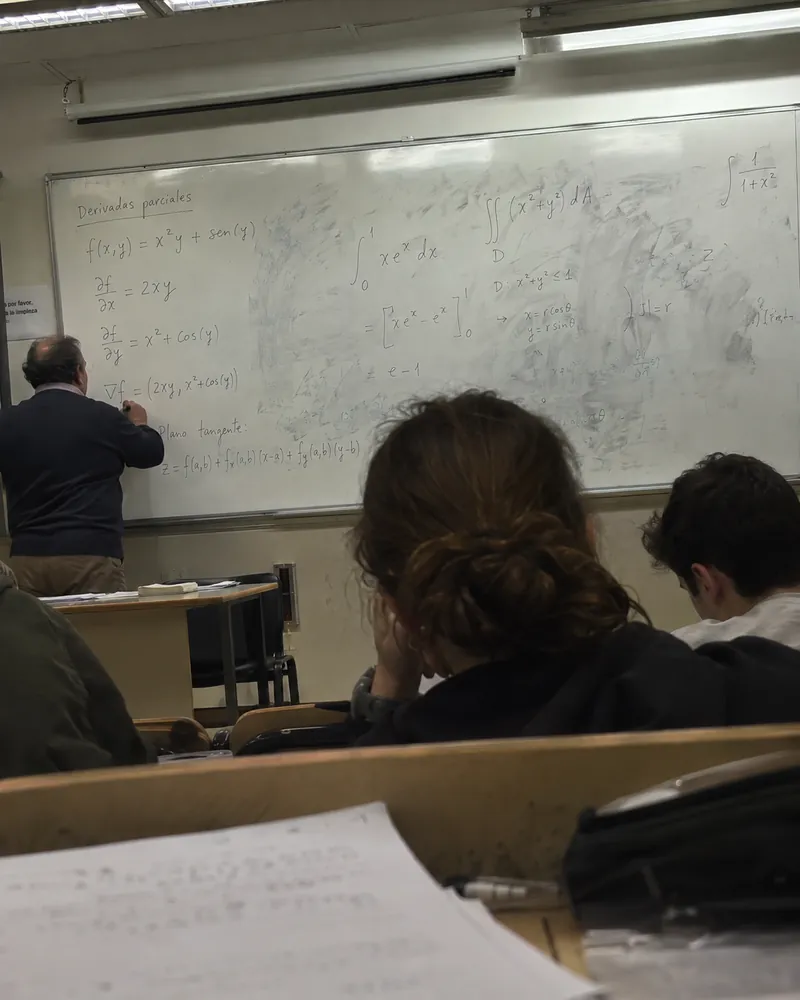
The pressure at home sat me at that desk far more hours than I would have chosen. At first I went out of obligation.
And then something happened that wasn't in the script: from fighting them so much, the numbers started to grow on me.
First it was an equation that came out right on the first go. Then a maths exam I didn't walk into afraid. I had found the part of the degree where things are either right or wrong, no matter how nicely you worded them. That's where I felt at home.
I was still a bad student. But for the first time there was something I actually wanted to study.
03 The year of the grant
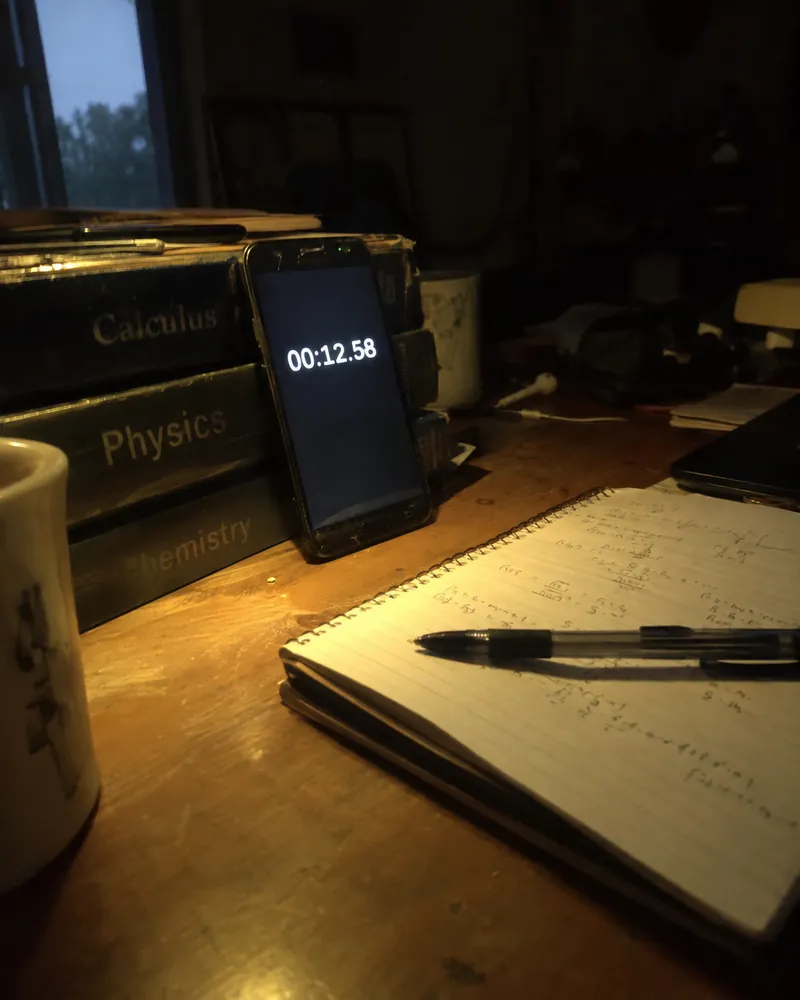
Second year. To keep my grant I had to pass everything.
Everything. Not one subject out of place, not one margin to hide in. It was the first time studying had consequences with a date on them.
And in the middle of that pressure I did something ridiculously small: I downloaded a stopwatch app. Play when I sat down, stop when I got up. That was all.
The first week gave me a fright. What I used to call "studying all afternoon" was one hour and forty real minutes. The rest was phone, fridge, and starting the same page for the third time.
That stopwatch didn't make me smarter. It made me aware. And an hour you can see is an hour you can defend.
That year I passed everything. And I kept the grant.
What you don't measure slips away. And the years were slipping away from me.
04 The jump
I could have stayed there. Comfortable, grant safe, finishing a degree I had finally tamed.
But that year I had found out two things: that I liked numbers, and that I finally knew how to study. With those two cards in hand, business school felt small.
So I did the crazy thing. I dropped the degree halfway through and enrolled in Computer Engineering.
Every alarm went off at home. Walking away from a half-finished degree, coming from where I came from, didn't sound like ambition: it sounded like the same old excuse. The question was on the table even if nobody said it out loud: what if it happens all over again?
The condition was the usual one, and this time I set it for myself too: pass everything.
05 Passing everything
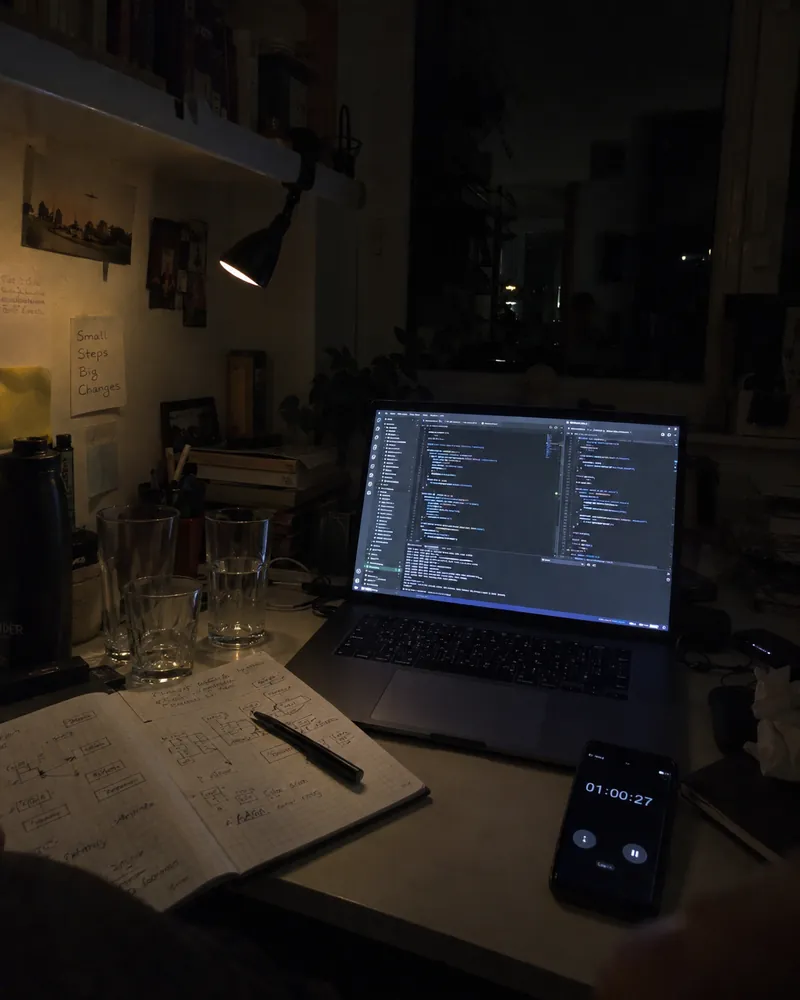
Computer Engineering was a different sport. Harder subjects, more hours, and a first midterm that puts you in your place in case you'd got cocky.
The difference is that I wasn't flying blind any more. I knew how many hours I really put in, I knew which subject they were leaking into, and I could tell studying apart from going through the motions of studying.
There was no trick. There was a stopwatch, consistency and a fair number of long afternoons.
The one who failed his business degree finished Computer Engineering without a single subject left behind.
06 Returning the favour
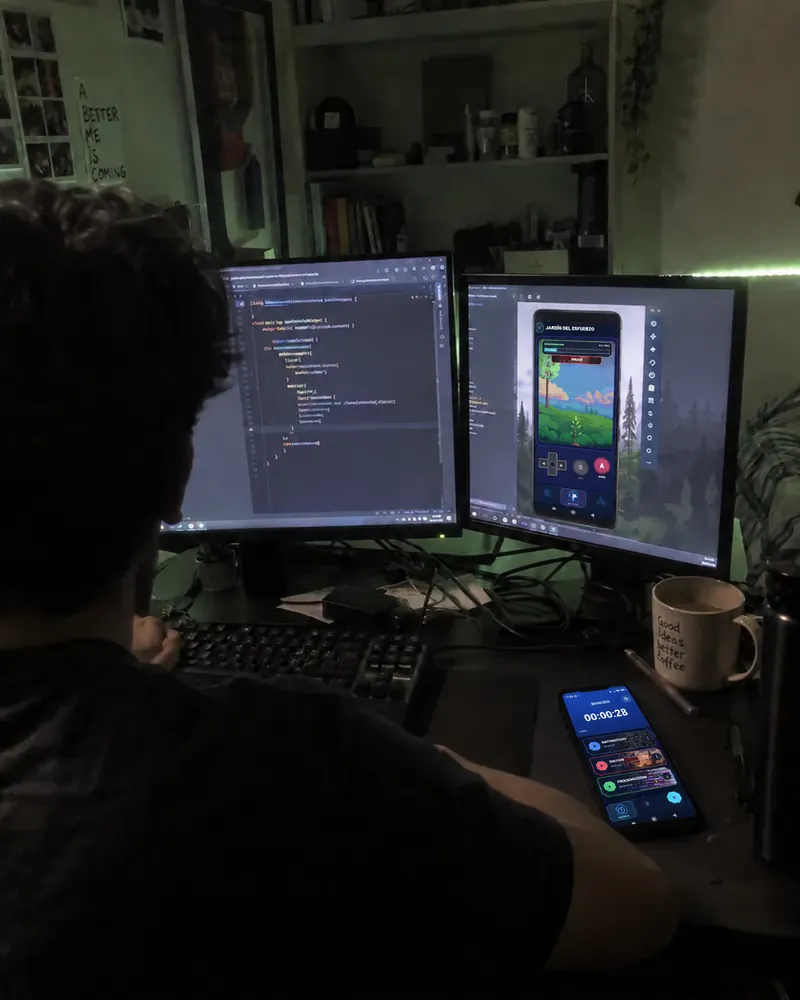
After graduating I started building Android apps. And one day, putting together yet another screen for somebody else, it hit me.
What changed my degree wasn't a method, or a course, or a productivity book. It was a stopwatch with one button.
And it was a bad stopwatch at that. It knew nothing about subjects. It didn't remember last week. It didn't keep me company through the hard part, which isn't sitting down once: it's sitting down again the following Tuesday.
Imagine what I'd have done with something actually built for studying.
That's Lock In. Your subjects kept apart, your consistency in plain sight, a garden that only grows if you sit down, and people studying at the same time as you on the other side of the screen.
It's made by someone who needed it. That's why it carries no ads and doesn't measure you to sell the data. It does one thing: show you your time, so you can defend it.
You don't need to be brilliant.
You need to see your time.
Anas Ouatouit Bentahar — creator of Lock In

Free · No ads · No usage analytics